Imagine a workplace where HR professionals spend less time poring over spreadsheets and more time crafting strategies to enhance employee experiences. Thanks to AI-powered solutions, the HR world is evolving at lightning speed, offering tools that not only improve efficiency but also revolutionize time management. In 2025, these innovations are transforming traditional HR tasks into seamless, automated processes that enable HR teams to focus on what truly matters: their people.
In this blog, we’ll unveil the top 5 AI-driven tools reshaping HR and empowering teams to optimize their workflows. From predictive analytics to conversational assistants, each solution offers unique advantages and areas for growth. Whether you’re a people manager or a tech enthusiast, prepare to dive into an exciting future where technology and HR come together in perfect harmony.
Top apps:
1. Moodbit Copilot
2. KovaionAI
3. IBM Watson
4. HireVue
5. Eightfold.ai
Moodbit Copilot

The primary purpose of Moodbit Copilot is to streamline and enhance HR management and team operations by leveraging cutting-edge Generative AI technology. This innovative app caters to HR teams, team leads, and SMBs by transforming people data and documents into actionable insights, automating workflows, offering real-time chat support, and fostering efficiency in day-to-day HR operations.
Pros
- Natural language data retrieval: Non-technical managers can effortlessly retrieve relevant data and analytics by simply asking questions conversationally, saving hours of manual report digging.
- Document summarization and extraction: Instantly analyzes uploaded documents like contracts and survey reports, delivering quick summaries, extracted metrics, and actionable recommendations without manual reading.
- 24/7 HR chat support: Provides employees with an always-available chatbot to handle policy, benefits, and process inquiries, cutting down repetitive HR queries and tickets.
- Seamless integrations: Connects with commonly used apps like Slack, Microsoft Teams, SAP SuccessFactors, Google Workspace, and OneDrive, centralizing workflows and reducing the hassle of switching between tools.
- Strategic recommendations: Goes beyond offering raw data by providing tailored recommendations, talent management plans, and priority-based next steps for managers.
- Personalized wellbeing insights: Analyzes workforce sentiment and engagement trends, delivering focused actions for improving employee morale and wellbeing.
- Enterprise-grade security: Prioritizes maximum security by employing advanced privacy measures, making it ready for safe enterprise-wide implementation.
- Time savings: Automates tasks like report generation, meeting summaries, and survey follow-ups, enabling HR teams to dedicate more time toward people strategy and less on repetitive, manual work.
- Broad usability: Its features benefit not only HR teams but also extend to recruiting, onboarding, internal communications, and operational management.
Cons: Limited availability of customizable templates and a potential minor learning curve for users unfamiliar with HR Intelligent Systems.
Use Cases
- HR efficiency enhancement: This app automates report generation, document analysis, and follow-up scheduling, empowering HR teams to operate at maximum efficiency.
- Employee experience improvement: By providing instant answers through a 24/7 chat assistant and automating follow-ups based on sentiment analysis, companies can create a happier, more supported workforce.
- Decision-making acceleration: Managers can rely on instant insights provided via conversational analytics, enabling faster and better responses to issues.
- Scaling HR operations: Small HR teams can efficiently manage large workforces with consistent, high-quality service delivery due to automation and integrations.
- Integration with enterprise ecosystems: Ensures all HR-related activities and data remain accessible across platforms like Slack, Microsoft Teams, and SAP, fostering a cohesive and centralized HR management experience.
KovaionAI
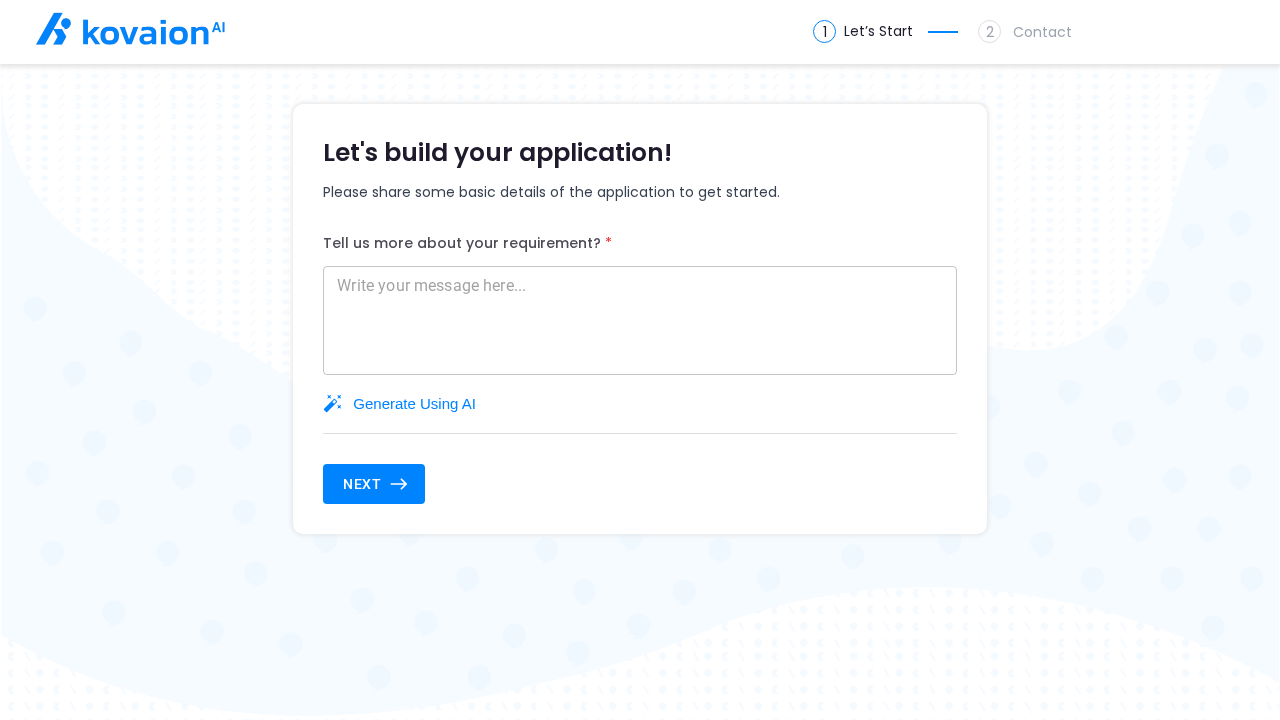
Short Description: KovaionAI is an AI-powered platform designed to automate complex business decision-making processes. It utilizes advanced AI capabilities in data analytics, predictive analysis, and machine learning for process optimization across multiple domains like HR, finance, customer service, and supply chain management.
Pros:
- Integrates with business applications for streamlined process automation.
- AI-powered chatbots for basic customer and employee interactions.
- Predictive analytics to help with market trend forecasting and risk assessment.
Cons:
- Lacks natural language conversational analytics for direct querying of employee sentiment trends or HR-related data.
- Limited focus on chat-based, actionable HR insights tailored for people strategy.
- Does not provide 24/7 HR-centric chatbot support with contextual responses for policy or benefits-related queries.
- Integration options focus heavily on Oracle HCM Cloud and proprietary ecosystems, reducing flexibility for non-Oracle users.
- Fails to address personalized employee wellbeing trends and engagement-focused recommendations.
- Workflow automation features are generic and less tailored for HR teams looking to address manual, repetitive tasks.
- Document intelligence lacks depth for HR-specific uploads such as contracts or survey summaries.
IBM Watson
IBM Watson is a cognitive computing system developed by IBM with capabilities in data analysis, machine learning, and natural language processing. Initially designed for domains such as healthcare, it processes unstructured data to provide recommendations and insights, with functions like question answering, decision support, and workflow enhancement.
Pros
- Can process vast amounts of unstructured data, including documents, encyclopedias, and news articles, to generate insights.
- Utilizes probabilistic reasoning and context-based learning for tasks like question answering and decision support.
Cons
- Focuses on broad-based problem solving, which can dilute its effectiveness in niche areas like HR-specific automation and personalization.
- Limited conversational accessibility, requiring more technical knowledge compared to intuitive, natural language-based analytics for HR professionals.
- Lacks robust integrations with modern collaboration and productivity tools frequently used in HR environments.
- Operates without a streamlined focus on employee wellbeing trends or actionable people-centric insights.
- Features such as Jeopardy! game-playing or general question-answering systems do not translate into practical benefits for HR task optimization.
HireVue
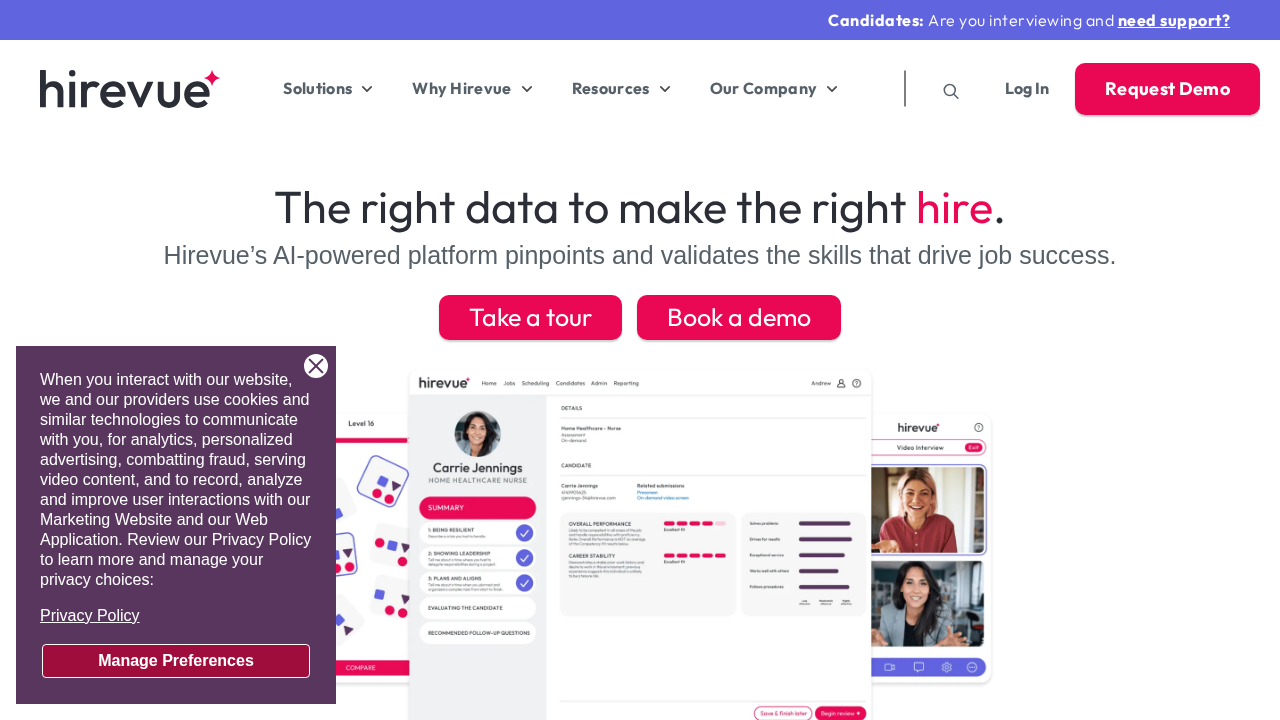
HireVue is a video interview platform that uses AI to assist with pre-hire assessments by analyzing competencies like communication skills, problem-solving abilities, and team orientation. It aims to streamline the recruiting process by replacing traditional phone screenings and multiple-choice assessments with video-based evaluations.
Pros
- Convenient for candidates as interviews can be completed anytime and anywhere.
- Automates the initial screening process, saving time for recruiters.
- Does not use facial recognition and protects against unconscious human bias in assessments.
Cons
- Limited focus on actionable insights for HR teams outside of recruitment tasks.
- Does not support integrations with collaboration tools (e.g., Slack, Teams) or workflow automation features.
- Assessment emphasis is restricted to predefined job-related competencies rather than people-centric engagement or wellbeing insights.
- Fails to provide tailored recommendations or follow-ups designed for broader people strategy functions.
- Does not handle employee-facing queries or provide chat assistance functionality.
- Essential technology gaps, such as extracting intelligence from documents or real-time data analytics.
Eightfold.ai
Short Description: Eightfold.ai is an AI-driven talent management platform designed to optimize hiring, onboarding, and internal workforce management processes. It leverages a robust dataset and deep-learning AI to automate skills mapping, identify top candidates, and enhance employee career pathways.
Pros:
- Comprehensive database with over 1.6 billion career profiles and 1.6 million skills for talent matching.
- Bias-minimizing AI features designed for diversity and inclusivity in recruitment.
Cons:
- Focuses heavily on recruitment and candidate screening, offering less support for HR operational tasks or automating workflows beyond hiring.
- Lacks conversational analytics for real-time and intuitive query resolution for managers or HR teams.
- Does not incorporate document intelligence, such as analyzing contracts or generating strategic actionable insights from uploaded materials.
- Many features, such as interview automation, do not address broader HR functions like engagement monitoring or wellbeing analysis.
- Limited pre-built integrations with common platforms like Slack or Microsoft Teams, making workflow automation less seamless.
- Designed primarily for large organizations, offering fewer benefits or ease of use for smaller HR teams or SMBs.
- Dependency on data-heavy processes that could exclude smaller businesses without access to robust talent databases.
Conclusions:
As we journey through the dynamic landscape of AI-powered HR tools in 2025, it’s clear that each platform brings its own strengths to the table. From the predictive capabilities of KovaionAI to the robust cognitive computing of IBM Watson, these technologies showcase the brilliance of automation in addressing time-intensive tasks. Meanwhile, HireVue and Eightfold.ai shine through in recruitment and talent management, solidifying their role in niche areas.
But when it comes to checking all the boxes, Moodbit Copilot undoubtedly emerges as the ultimate game-changer. Its blend of conversational analytics, document intelligence, and 24/7 chatbot functionality stands unmatched. Moodbit goes beyond data collection, proactively offering actionable insights that empower HR teams to lead with efficiency and empathy. It’s the people strategy partner every HR team has been waiting for.
In a world where time is the most precious resource, Moodbit delivers something invaluable: the ability to focus on people over processes. By equipping HR teams with breakthrough tools to scale operations, improve employee satisfaction, and make faster, data-driven decisions, it doesn’t just automate tasks—it redefines the essence of HR itself. The future is here, and with Moodbit, it’s looking brighter than ever.
